Faust in Repose

Horstman is a journey through art, design, and culture, meeting the people whose work, homes, and habits shape the world.
Items of Note
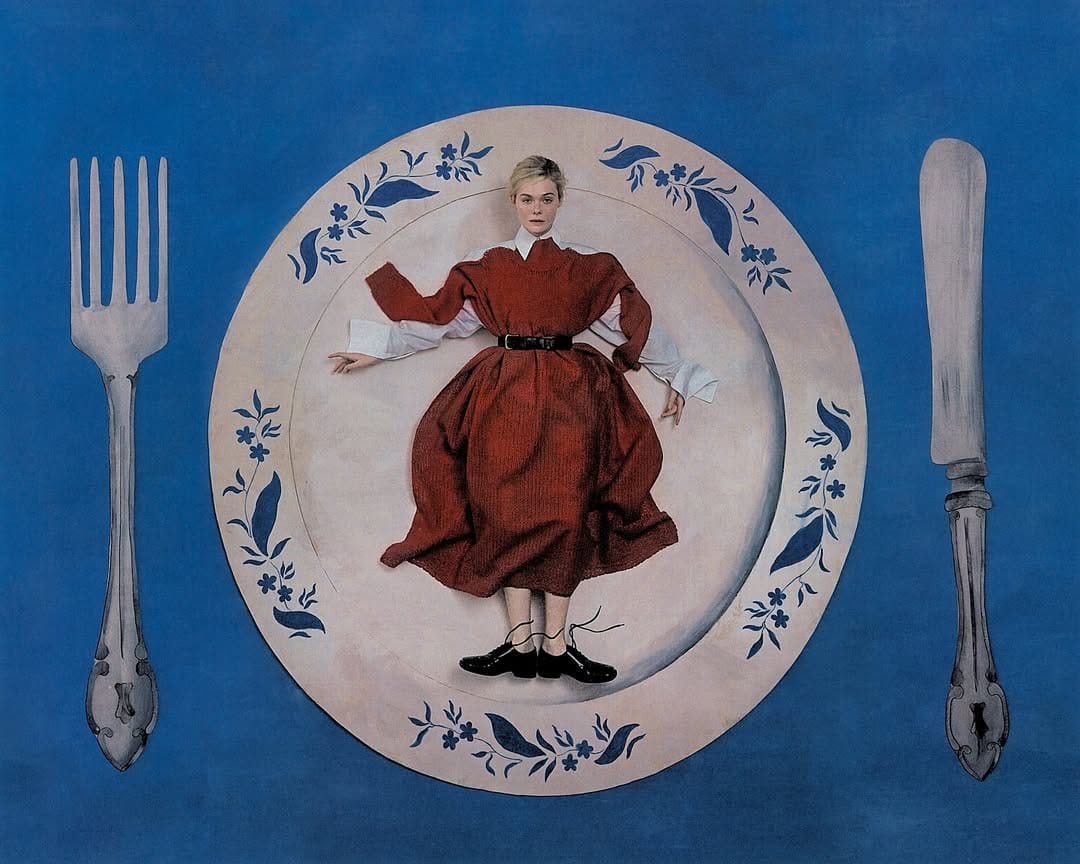
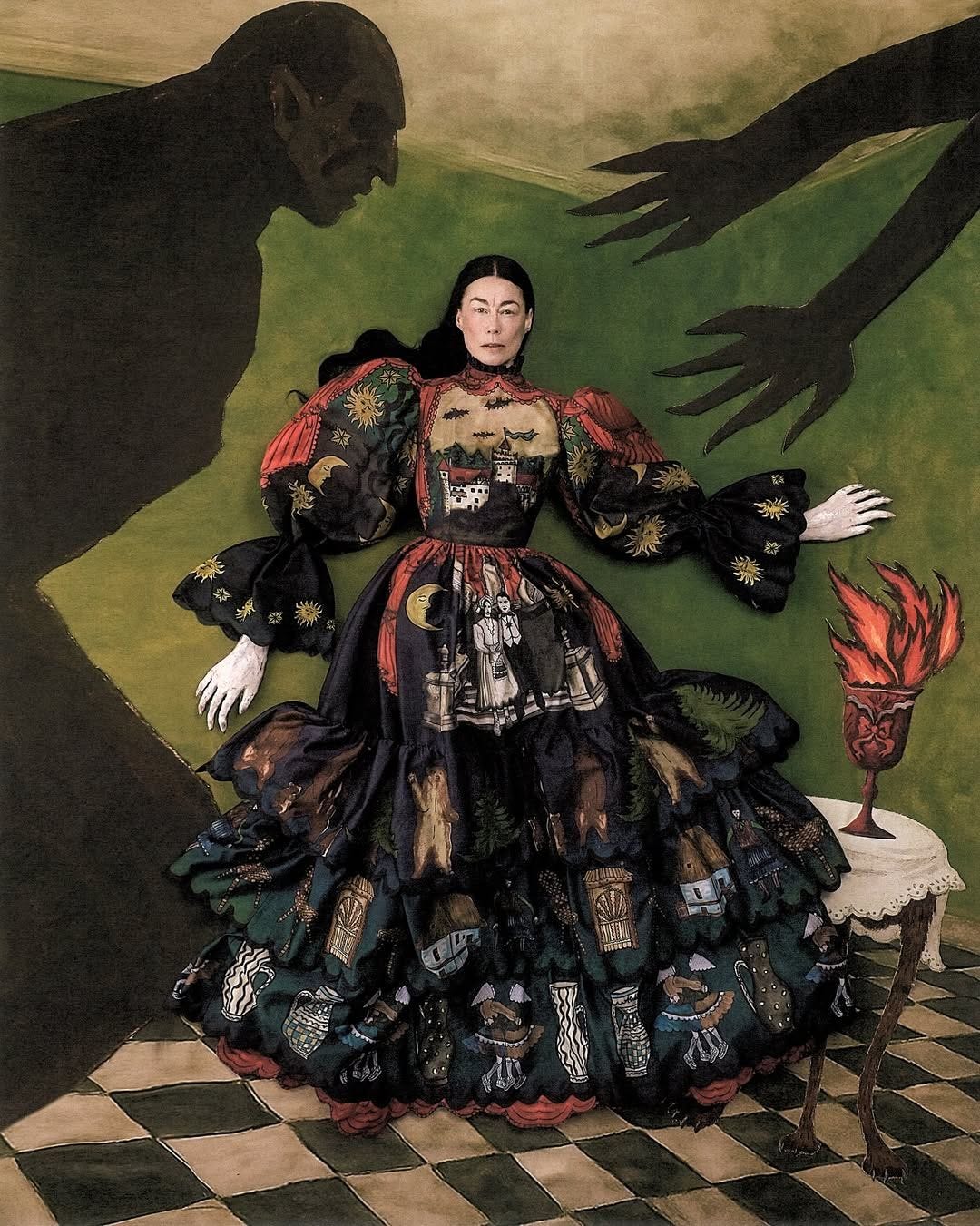
There is one photographer who is dominating editorial and fashion photography and their name is Szilveszter Makó, a Milan-based photographer who was born in Hungary. The shoot in particular that first got my attention was the Rama Duwaji feature in The Cut magazine. If her name sounds familiar, you may know her as the talented artist and wife of newly elected New York City mayor, Zohran Mamdani. The photos were surreal and captivating, showing the artist on her own terms, not being defined by her partners pursuits.


His style is defined by these artistic vignettes he creates, placing people in boxes, putting houses on their heads, and making them part of a fantastic paper cut world where the subject poses on a stage. That stage feels built and handcrafted, like a tiny theater set where costume, cardboard, and light come together to turn a portrait into a scene, and the wrinkles in the paper or brushstrokes on a box become part of the narrative.
In a moment when so many images are frictionless and AI generated, his devotion to real materials gives the work a physical weight you can almost feel through the screen, reminding you that people built this with their hands, together, in a room.
Chylak is a Polish accessories brand founded by designer and creative director Zofia Chylak. She trained as an art historian before moving into fashion design, working in New York and then returning to Warsaw to build her label.
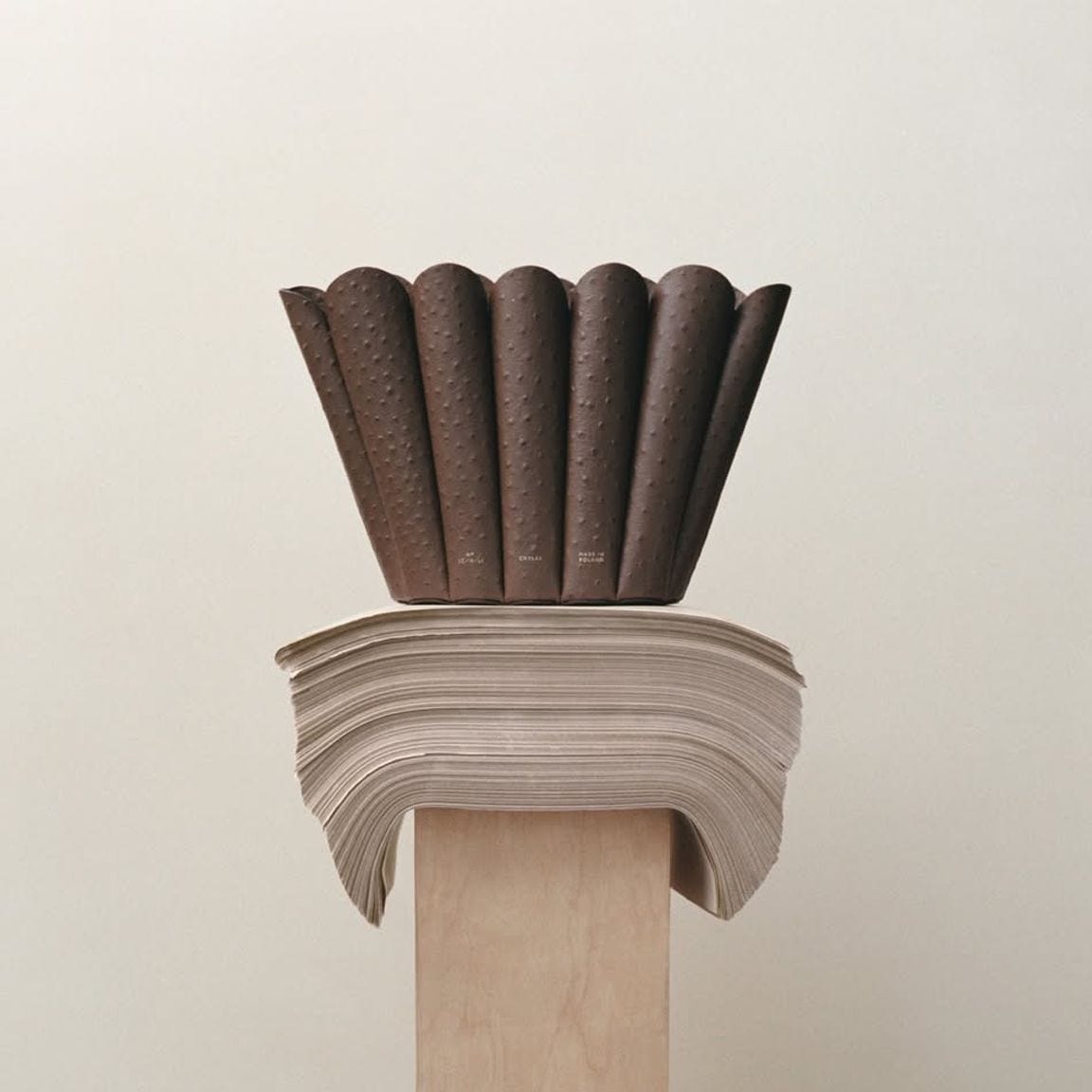
What makes Chylak’s bags, and really, everything she makes, so charming, is how their shapes, surfaces, and materials feel thoughtfully inventive (like the seashell inspired bag above) rather than over-the-top. Curved, softly structured silhouettes sit close to the body, but details like lace overlays, surprising pearl embellishments, and precise embroidery turn them into crafted objects instead of simple accessories. Across their range of products from shoulder bags and mini bags to shoes and small leather goods this attention to form and finish creates a cohesive visual world where each item feels like part of the same story.
In any hospitality setting, clothing shapes perception. Choosing something like a chore coat over a hoodie, or a button-up instead of a t-shirt, can subtly raise the standard of service in the eyes of a guest. And to be clear, it’s not about formality, but about creating an impression of care and confidence.
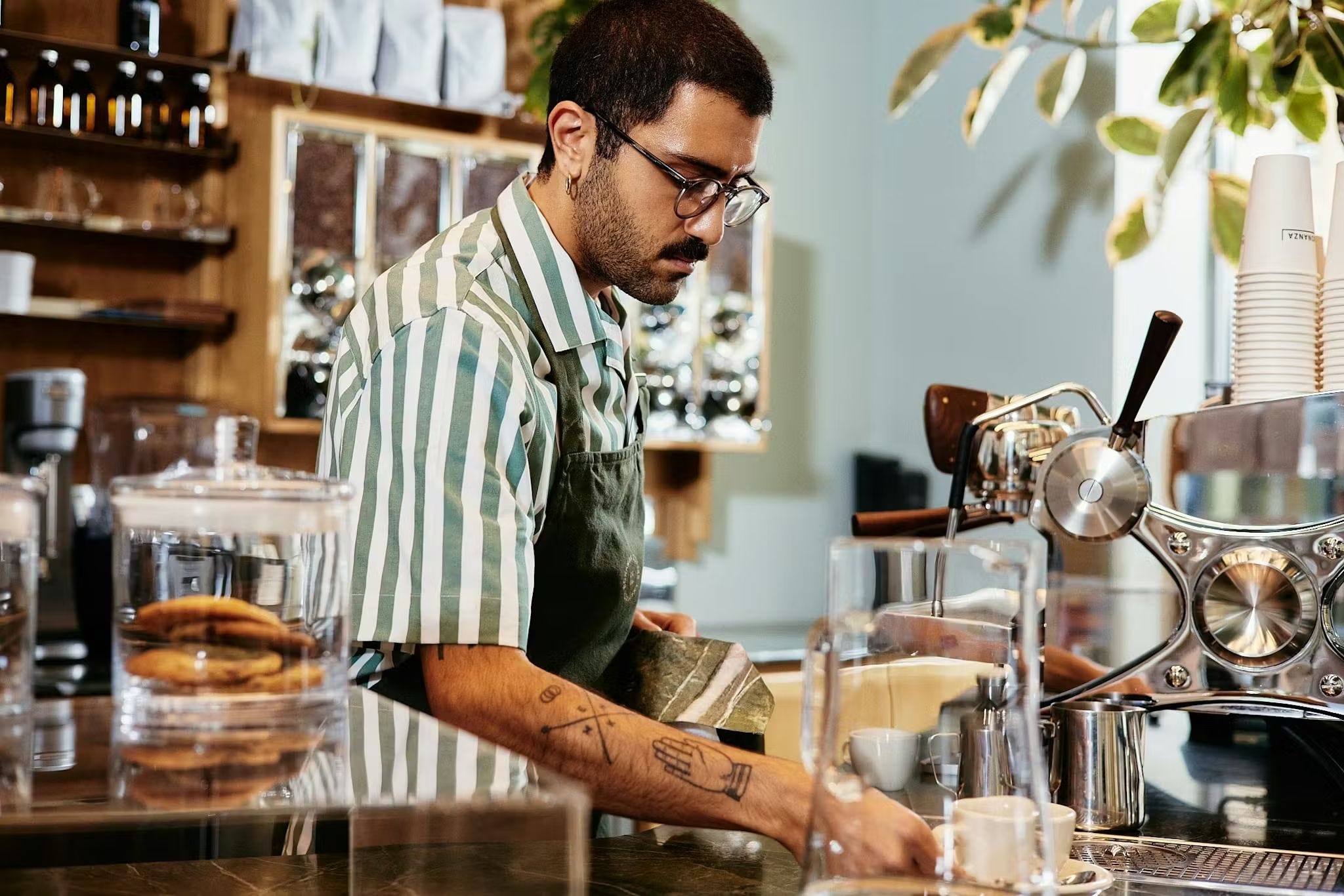
This why I love the brand work that AKOG Hotel Group did for Bonanza, a coffee shop and roaster in Berlin. They expanded Bonanza’s identity beyond typical logos and surface branding by treating every aspect as part of the art direction, from bespoke barista uniforms in refined workwear silhouettes to towels and tote bags, all of which mirror the cafe’s interior aesthetic, turning staff into moving extensions of the space.
In fact, Arket Café just recently released a similar capsule collection of everyday wear and accessories that feels quite similar in approach. Contemporary hospitality branding now lives as much in the tactile world as it does in traditional visual identity.
The UIA World Congress of Architects 2026 will bring leading architects, researchers, and cultural figures to Barcelona under the theme “Becoming. Architectures for a planet in transition,” to explore how architecture can respond to material, political, ecological, and cultural challenges while working with what already exists.
It’s exciting to see architects like Atelier Bow-Wow and Anne Holtrop coming to Barcelona because the city urgently needs a bold new vision for how it creates affordable housing solutions.
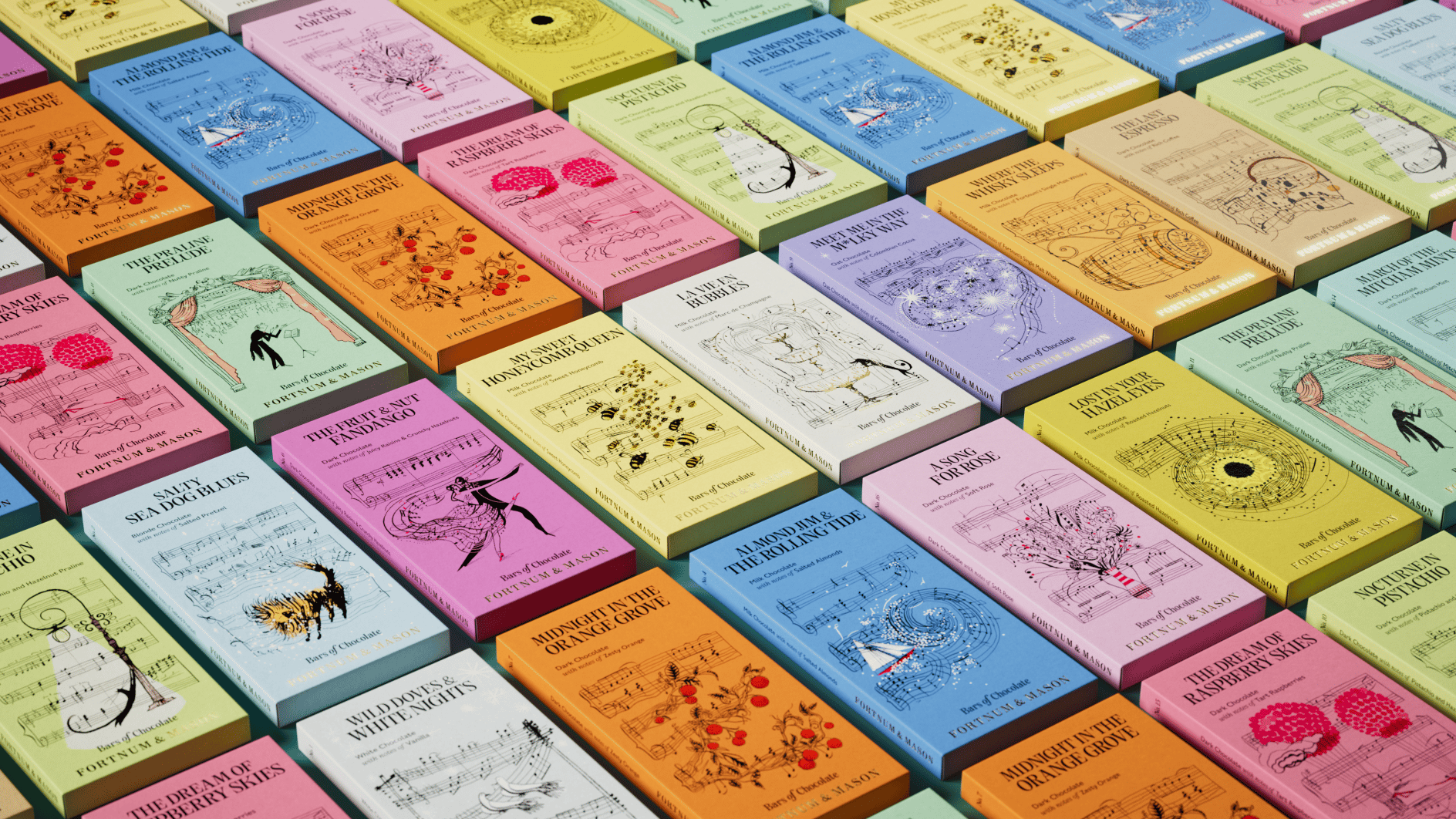
Fortnum & Mason’s latest Bars of Chocolate collection turns confectionery into a listening experience, with each of the sixteen flavors paired to a piano composition that mirrors the rhythm and emotion of a single bite. The concept treats taste like a small scale performance, playing on the double meaning of “bars” and a nod to the piano at the heart of its Piccadilly tea salon.
Developed by design studio Otherway, they utilized colors and illustrations to do a lot of heavy lifting in making the bars feel unique. Bold, painterly scores by Victoria Semykina wraps each bar in a world that signals flavor and mood at a glance. Inside, the full composition is laid out on the inner wrapper, turning the pack into a graphic score, so the act of unwrapping becomes as considered and expressive as the taste itself.
Paloma Lanna set up Paloma Wool in Barcelona after growing up with her parents’ label, Nice Things, yet wanting a looser, more experimental space. Grace Prince, London born and now working from Zürich, came to furniture through fashion training and years of learning carpentry and stone work. Now they’ve collaborated together on a series of objects (my favorite being this stool) which underlines an expansion of their worlds.
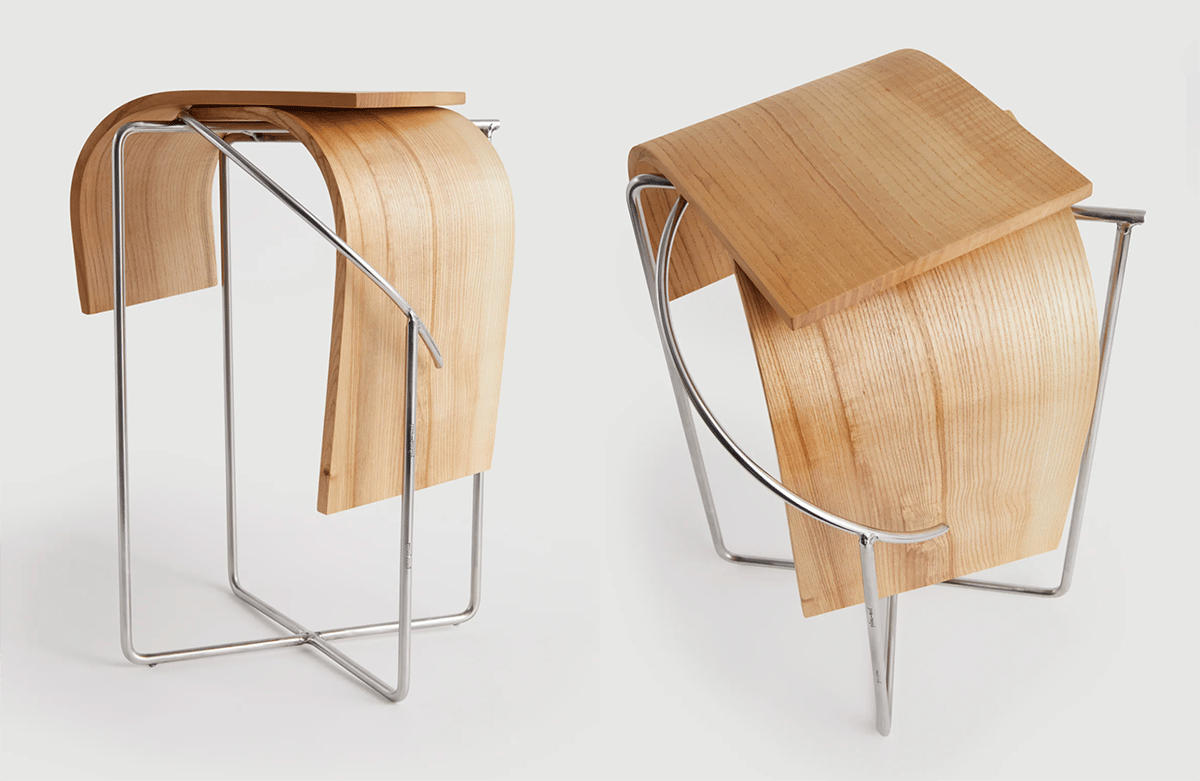
Like most stools, there is a familiar design language, such as the crossed stainless steel legs at the base and the steam-bent plywood. Yet the design belies that familiarity. There’s a softness and elegance that comes to life through the plywood which is shaped like clothes draped over a chair, and the stainless steel tubed curved like a hand draped around a waist. There is hardly ever anything truly new in design, and that makes this piece a standout in my eyes.
Final Thought
“Things aren’t easy or hard, they’re familiar or unfamiliar.”